
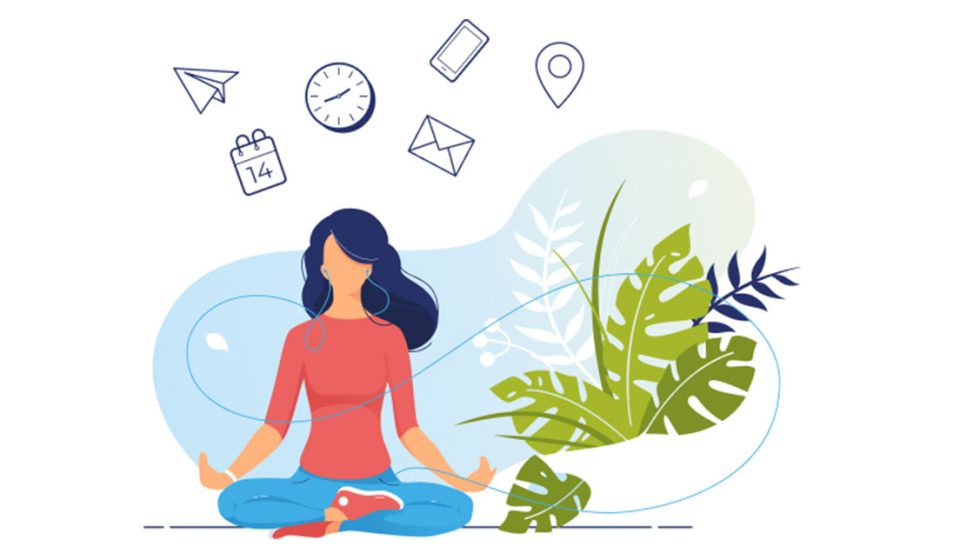

Stress is something we all experience. It can come from work, relationships, or daily life. Learning how to manage stress is important for our mental health. In this article, we will explore simple ways to reduce stress and feel better.
What is Stress?
Stress is the body’s response to challenges or demands. It can be positive, helping us stay focused, or negative, leading to anxiety and fatigue. Understanding stress is the first step in managing it.
Common Signs of Stress
Recognizing the signs of stress is key. Some common signs include:
- Feeling overwhelmed
- Irritability or mood swings
- Trouble sleeping
- Changes in appetite
- Difficulty concentrating
If you notice these signs, it may be time to take action.
Effective Stress Management Techniques
Here are some simple, effective techniques to manage stress:
- Practice Mindfulness: Mindfulness involves paying attention to the present moment. This can help clear your mind and reduce anxiety. Try taking deep breaths or focusing on your surroundings with a short walk.
- Stay Active: Regular exercise can boost your mood and improve your health. Aim for at least 30 minutes of activity each day. Walking, dancing, or yoga are great options.
- Connect with Others: Sharing your feelings with friends or family can provide support. Talking things over can lighten your burden and help you find solutions.
- Take Breaks: Give yourself short breaks throughout the day. Step away from your work, stretch, or enjoy a cup of tea. This can help reset your mind and reduce stress.
- Get Enough Sleep: Sleep is vital for mental health. Try to establish a regular sleep schedule. Good sleep can improve your mood and energy levels.
- Set Realistic Goals: Break tasks into smaller, manageable steps. This can make large projects feel less overwhelming and help you stay focused.
- Limit Caffeine and Sugar: These can increase feelings of anxiety. Try to balance your diet with healthier food choices.
- Practice Gratitude: Taking a moment to reflect on things you are grateful for can shift your mindset. Consider keeping a gratitude journal.
When to Seek Help
If stress feels unmanageable, talking to a mental health professional can be very helpful. They can provide support and tools to help you cope better.
Conclusion
Managing stress is essential for a healthy mind. By using simple techniques like mindfulness, exercise, and connecting with others, you can take control of your stress. Remember, it’s okay to ask for help when you need it. Start today for a better tomorrow.
FAQ
Q1: What are the best techniques for stress relief?
A1: Techniques like mindfulness, exercise, and talking to friends can help reduce stress effectively.
Q2: How does stress affect my health?
A2: Stress can cause physical and mental health issues, including anxiety, fatigue, and heart problems.
Q3: Can I manage stress on my own?
A3: Yes! Many techniques can help, but seeking support is always a good option if it becomes overwhelming.
Q4: What lifestyle changes can help reduce stress?
A4: Eating healthy, getting enough sleep, and exercising regularly contribute to better stress management.
Q5: When should I see a doctor about stress?
A5: If your stress affects your daily life or causes health problems, it’s important to seek professional help.