
Health care is not just doctors and nurses now.
It also includes data and computers.
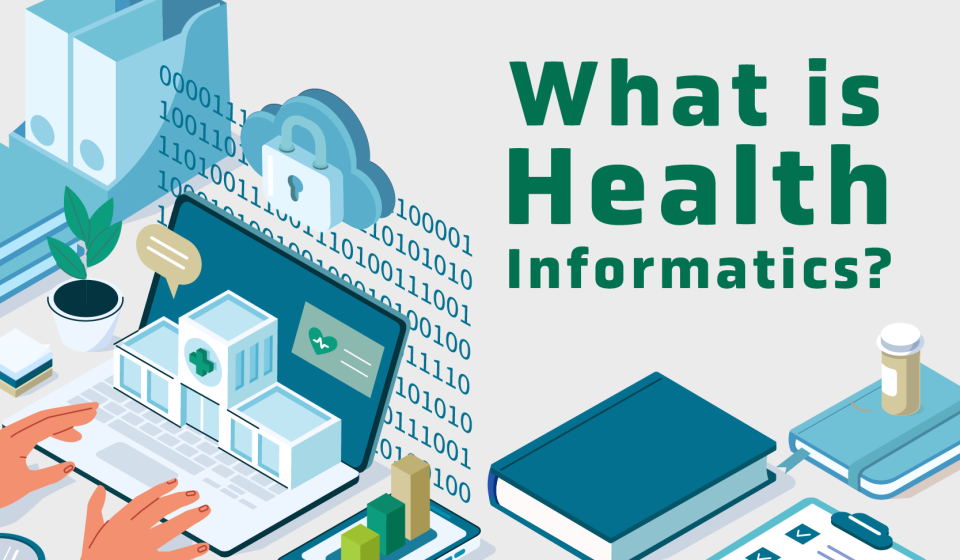
This is called health informatics.
It helps hospitals store and use health data in a smart way.
It makes care faster and safer.
This guide explains health informatics in a very simple way.
What Is Health Informatics?
Health informatics is the use of computers in health care.
It helps manage patient data.
It helps doctors make better decisions.
It also helps hospitals work better.
In simple words, it is health plus technology.
Why Health Informatics Matters
Health data is very important.
Doctors need correct information.
Good data helps save lives.
Health informatics helps:
- Reduce mistakes
- Speed up treatment
- Store patient records safely
- Improve hospital work
What Are Electronic Health Records?
Electronic Health Records are called EHR.
They are digital patient files.
Instead of paper, data is stored on computers.
EHR includes:
- Patient history
- Test results
- Medicines
- Doctor notes
This makes information easy to access.
How Hospitals Use Health Informatics
Hospitals use computer systems every day.
These systems help staff manage work.
Doctors can see patient data quickly.
Nurses can update records in real time.
It reduces waiting time for patients.
Benefits Of Health Informatics
Health informatics gives many benefits.
Better Patient Care
Doctors get fast and correct data.
This helps them treat patients better.
Faster Work
Digital systems save time.
No need to search paper files.
Fewer Errors
Computer records reduce human mistakes.
Easy Data Sharing
Hospitals can share records safely.
This helps in emergencies.
Tools Used In Health Informatics
Health informatics uses many tools.
EHR Systems
These store patient data digitally.
Health Databases
These store large amounts of health information.
Medical Software
Software helps doctors and hospitals work better.
Data Analytics Tools
These tools study health data.
They help find trends and patterns.
Who Works In Health Informatics?
Many people work in this field.
Health IT Specialists
They manage computer systems in hospitals.
Data Analysts
They study health data and reports.
Health Informatics Experts
They connect health care and technology.
Is Health Informatics A Good Career?
Yes.
It is a growing field.
Hospitals need more tech workers.
It offers good salary and job stability.
Skills Needed For Health Informatics
You do not need to be a doctor.
But you need some skills.
Basic Computer Skills
You must know how to use software.
Data Understanding
You should understand basic data.
Communication Skills
You work with doctors and staff.
Clear communication is important.
Problem Solving
You help fix system or data issues.
Common Misunderstandings
Many people find this field confusing.
It Is Not Only Coding
You do not need advanced programming skills for all roles.
It Is Not Only For Doctors
Many non-medical people work in this field.
It Is Not Hard To Learn Basics
Simple concepts can be learned step by step.
Future Of Health Informatics
This field is growing fast.
More hospitals use digital systems now.
Artificial intelligence is also joining health care.
Future systems will be smarter and faster.
Final Thoughts
Health informatics is an important part of modern health care.
It helps doctors and hospitals work better.
It improves patient care and safety.
It also creates new job opportunities.
You do not need advanced knowledge to understand the basics.
Simple learning can open a new career path.
Health informatics will continue to grow in the future.
FAQ
What is health informatics in simple words?
It is the use of computers and data in health care.
What is an EHR system?
It is a digital record of patient health information.
Is health informatics a good career?
Yes. It is a growing field with many job opportunities.
Do you need coding for health informatics?
Not always. Some jobs need coding, but many do not.
Why is health informatics important?
It improves patient care, reduces errors, and speeds up hospital work.
Where is health informatics used?
It is used in hospitals, clinics, and health organizations.